Unveiledge Home

Category

Health & Wellness

47 articles

The Loneliest Job in America Produced Some of Its Most Mentally Resilient Workers — Here's What They Knew

The Loneliest Job in America Produced Some of Its Most Mentally Resilient Workers — Here's What They Knew

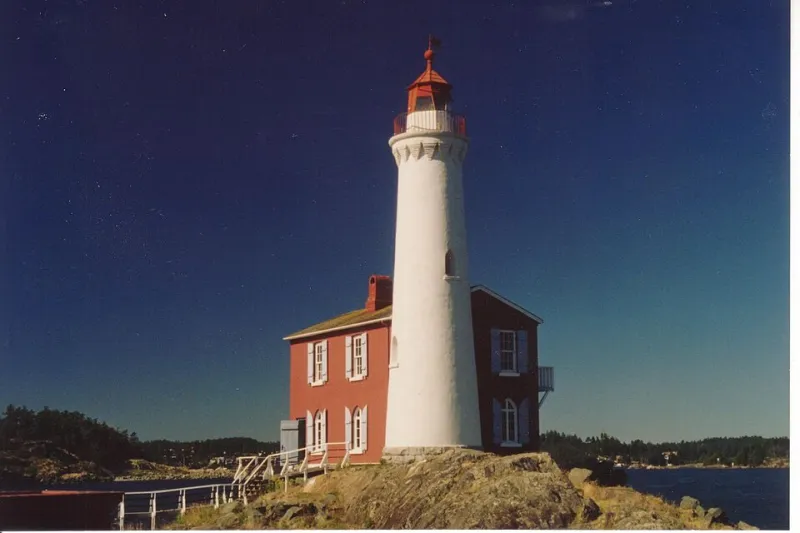
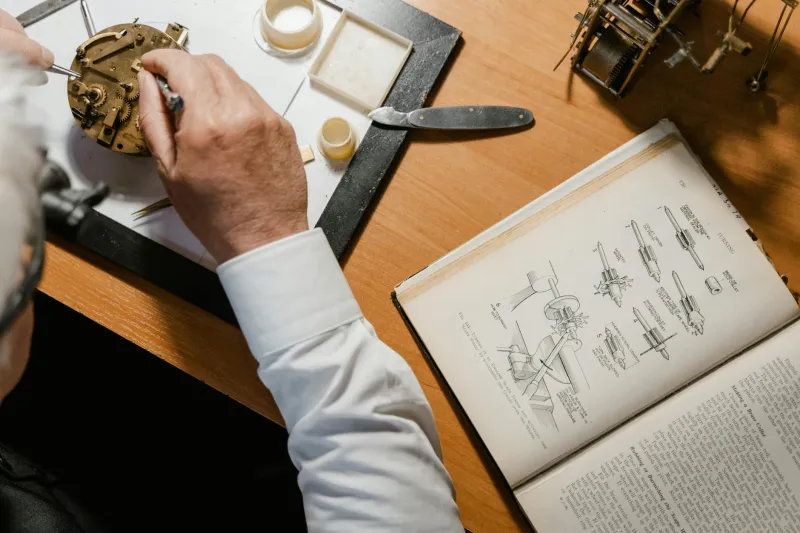
Nineteenth-century lighthouse keepers spent months completely cut off from society, yet historical records reveal surprisingly low rates of psychological breakdown compared to other isolated professions of the era. Researchers studying their logbooks think the daily rituals and structured routines these keepers maintained may have been the most effective loneliness-prevention system ever accidentally designed.

Before Therapists Had a Word for It, Appalachian Grandmothers Were Already Doing It

Before Therapists Had a Word for It, Appalachian Grandmothers Were Already Doing It

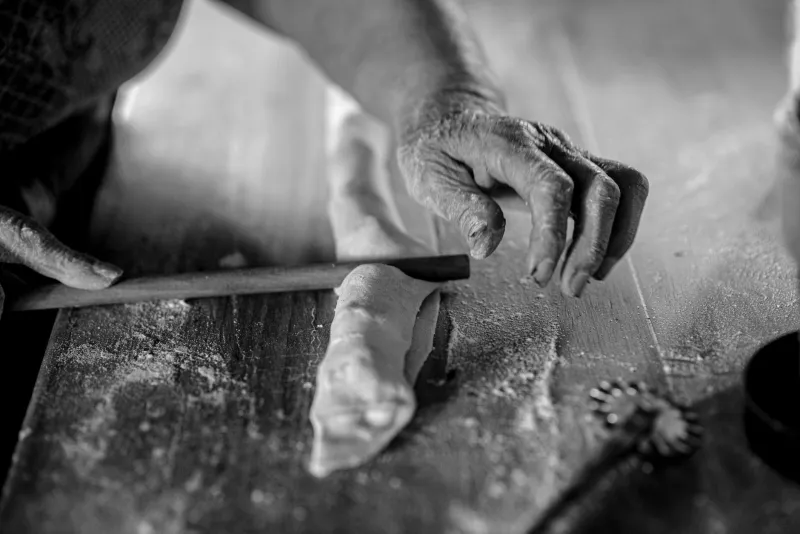
Long before 'grounding' became a buzzword in clinical psychology, mountain grandmothers in Appalachia were pulling panicking family members back to earth using soil, texture, and rhythm. Sensory researchers are now studying these folk practices — and finding that the neurological precision behind them is almost impossible to explain away.

A Fermented Alaskan Staple Has Been Quietly Protecting Elder Brains for Centuries — Science Is Finally Noticing

A Fermented Alaskan Staple Has Been Quietly Protecting Elder Brains for Centuries — Science Is Finally Noticing

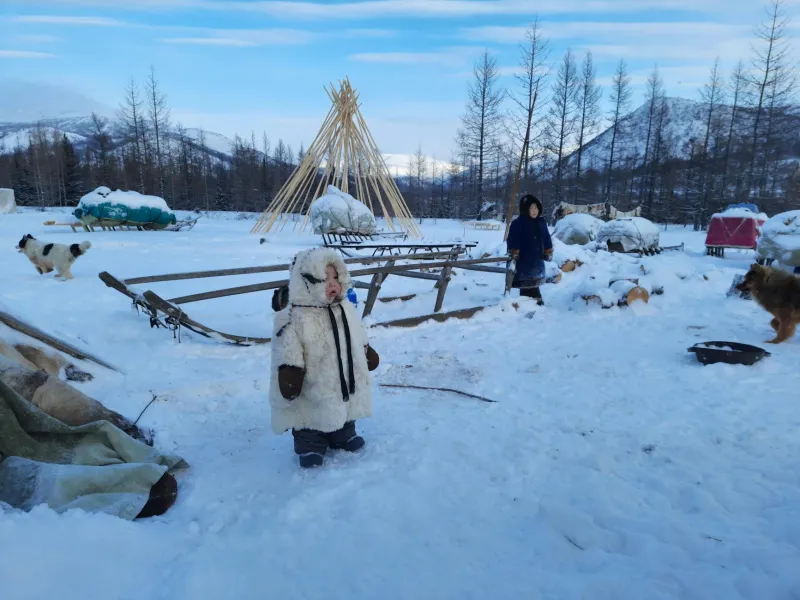
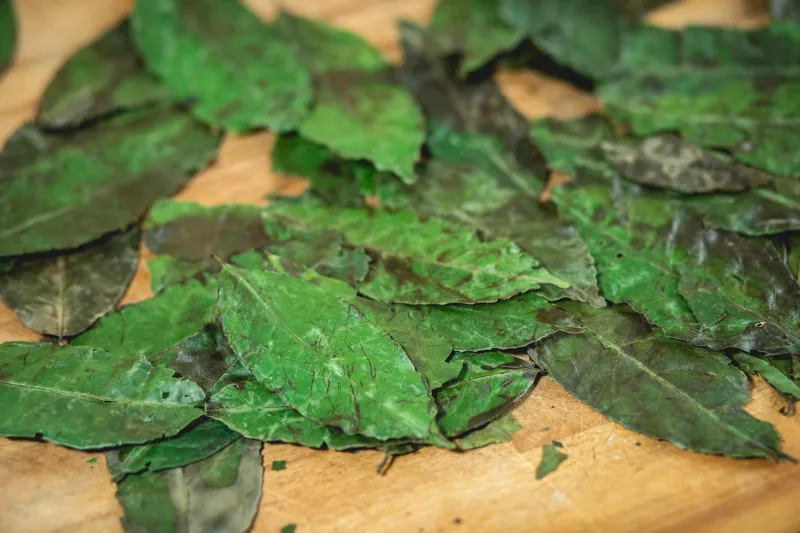
Coastal Indigenous communities in Alaska have eaten a traditional fermented food for generations, and epidemiologists are now drawing striking connections between this largely unknown diet staple and some of the lowest rates of cognitive decline recorded anywhere on the continent. While mainstream nutrition science was obsessing over olive oil and red wine, the answer to brain aging may have been sitting in a wooden barrel at the edge of the Bering Sea.

Before Therapy Had a Price Tag, Appalachian Nurses Built Something That Actually Worked

Before Therapy Had a Price Tag, Appalachian Nurses Built Something That Actually Worked

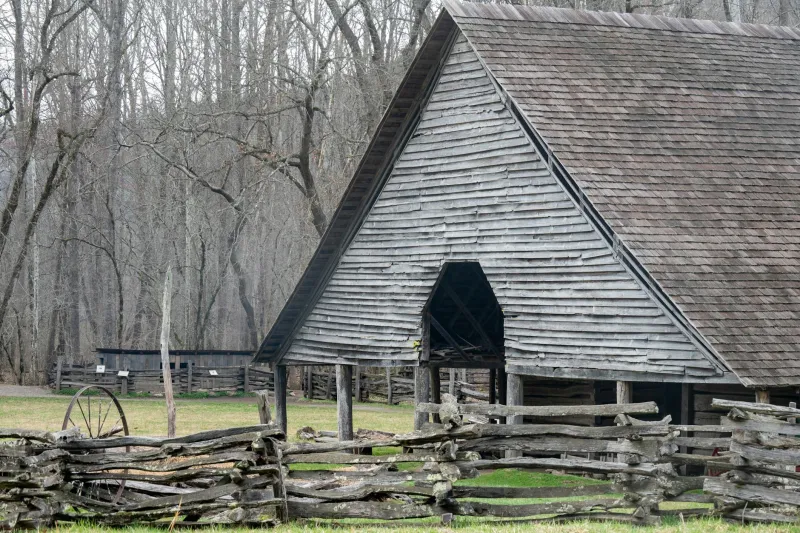
In the hollows of 1930s Appalachia, underfunded public health nurses quietly organized something remarkable — neighborhood gatherings where ordinary people talked each other through grief, loss, and anxiety. Decades before peer support became a clinical buzzword, these 'sitting circles' were doing what expensive therapy couldn't: reaching everyone. The science behind why they worked is finally catching up.

Sanatorium Doctors Prescribed Silence Like Medicine a Century Ago — Brain Science Just Explained Why It Worked

Sanatorium Doctors Prescribed Silence Like Medicine a Century Ago — Brain Science Just Explained Why It Worked

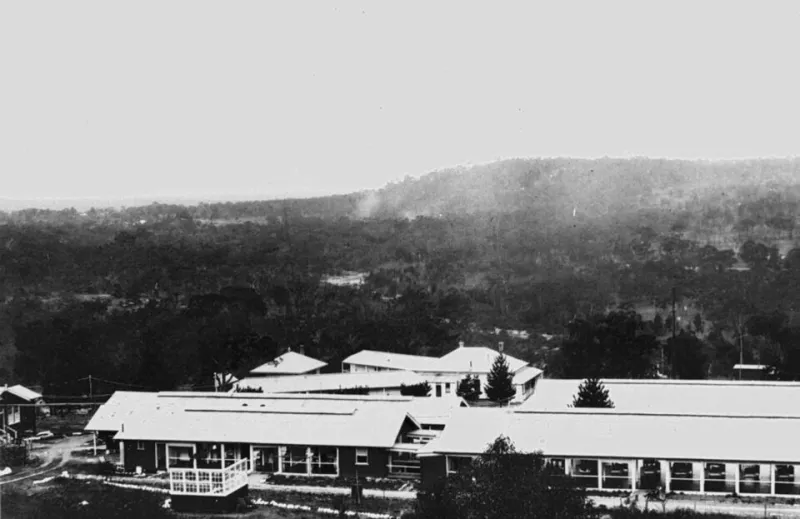
Tuberculosis sanatoriums across New England enforced strict daily quiet periods not just for rest, but because doctors noticed that noise made patients measurably worse. A century later, neuroscientists studying the brain's default mode network have essentially proven those physicians right — and the specific durations they used align eerily closely with what modern research identifies as the minimum threshold for nervous system recovery.

The Longest-Living People on Earth Rarely 'Work Out' — And That's Not a Coincidence

The Longest-Living People on Earth Rarely 'Work Out' — And That's Not a Coincidence

Researchers studying the world's longest-living communities kept noticing something that didn't fit the modern fitness playbook: these people almost never go to gyms, yet they move constantly in ways most Americans never do. The difference between their lives and ours might be less about exercise and more about how movement disappeared from everyday American life.

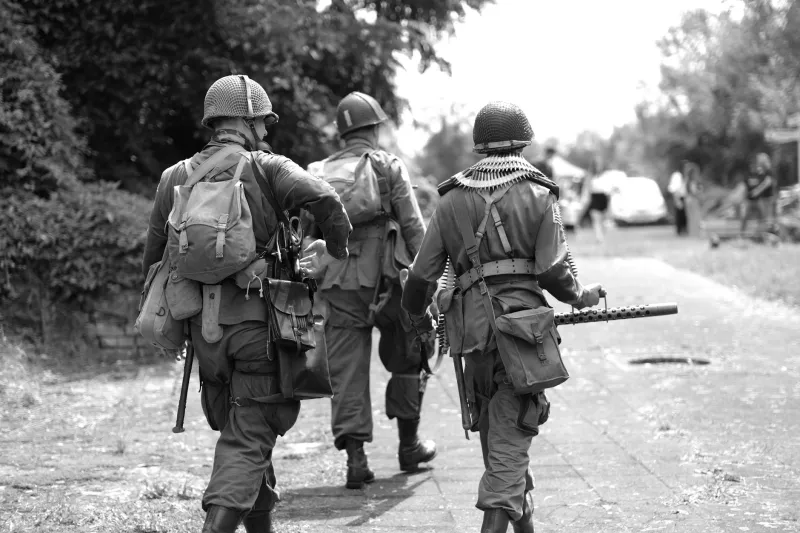
Your 'Broken' Sleep Isn't Broken — Civil War Soldiers Knew Something We've Forgotten

Your 'Broken' Sleep Isn't Broken — Civil War Soldiers Knew Something We've Forgotten

Millions of Americans lie awake at 3 a.m. convinced something is wrong with them. Turns out, waking up in the middle of the night isn't a glitch — it might be your body running exactly the software it was built with. Civil War soldiers, medieval laborers, and sailors all relied on a two-chunk sleep pattern that science has quietly started validating again.

NASA Uses It. Olympic Athletes Swear By It. So Why Has Your Doctor Never Mentioned It?

NASA Uses It. Olympic Athletes Swear By It. So Why Has Your Doctor Never Mentioned It?

In the 1970s, a self-relaxation method backed by decades of clinical research quietly vanished from mainstream American medicine — despite evidence it could lower blood pressure, reduce anxiety, and improve sleep without a single pill. It never went away entirely. It just moved somewhere most people would never think to look.